
Wonder Man
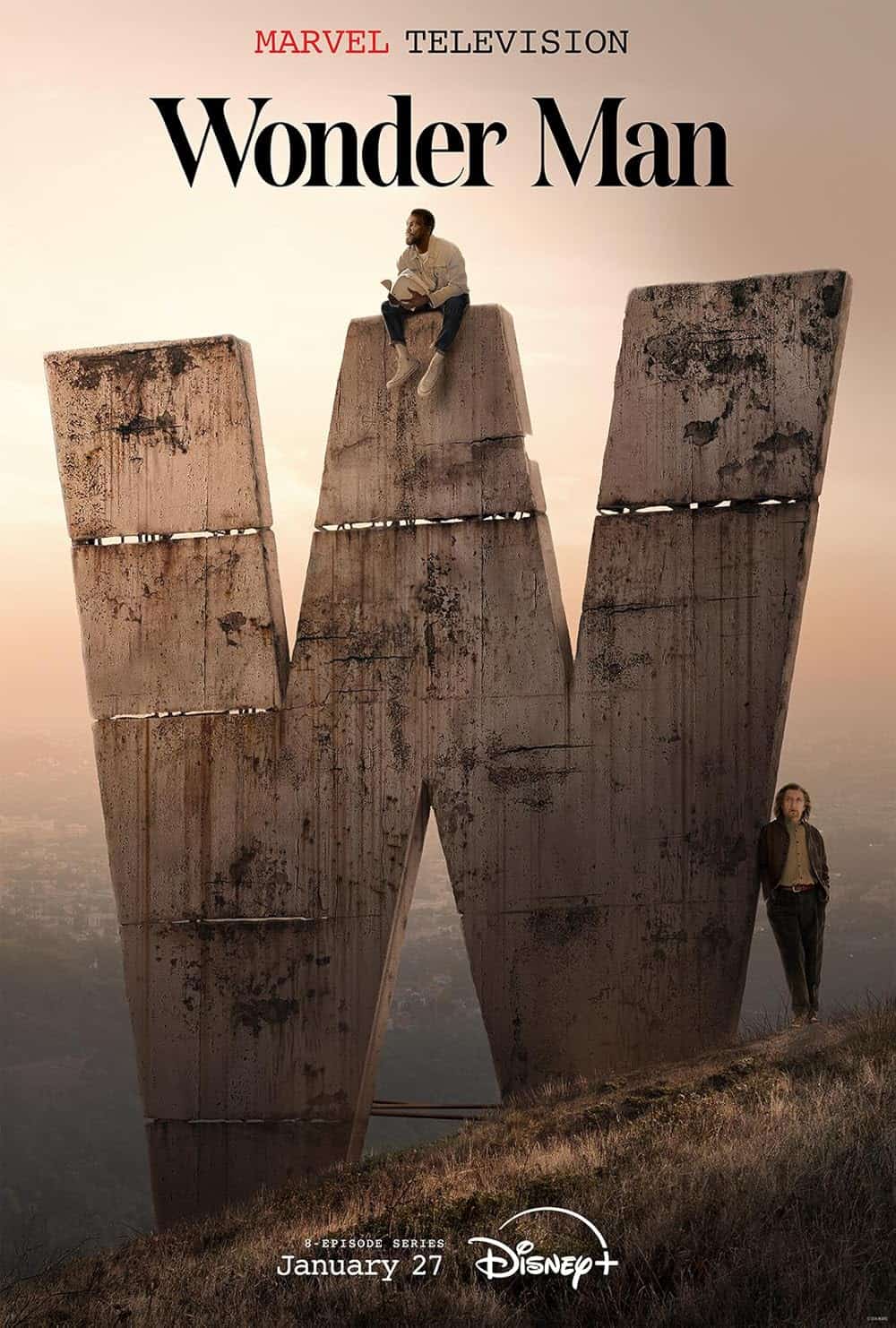

Anthony Bergamini
Recap
Wonder Man follows Simon Williams, aka Wonder Man, as he pursues a role in Hollywood with help from the returning MCU character Trevor Slattery.
Review
Marvel Television’s Wonder Man takes a surprisingly thoughtful swing at adapting Simon Williams, pulling from the character’s long and winding comic history while reframing it through a metatextual lens about showbusiness. In the comics, Simon is introduced as an energy-infused puppet of Avengers’ villains, dies, is reborn, becomes one of the Avengers’ longest-standing members, and eventually pivots into an acting career. The series abandons most of this, but instead grounds the story in a clever premise: Simon is an aspiring actor seeking to play Wonder Man in a remake of a fictional classic superhero film he idolized as a child. From the jump, the show positions itself as both a character study and a commentary on the entertainment industry, using Simon’s experiences to explore the tension between artistic integrity and corporate ambition.
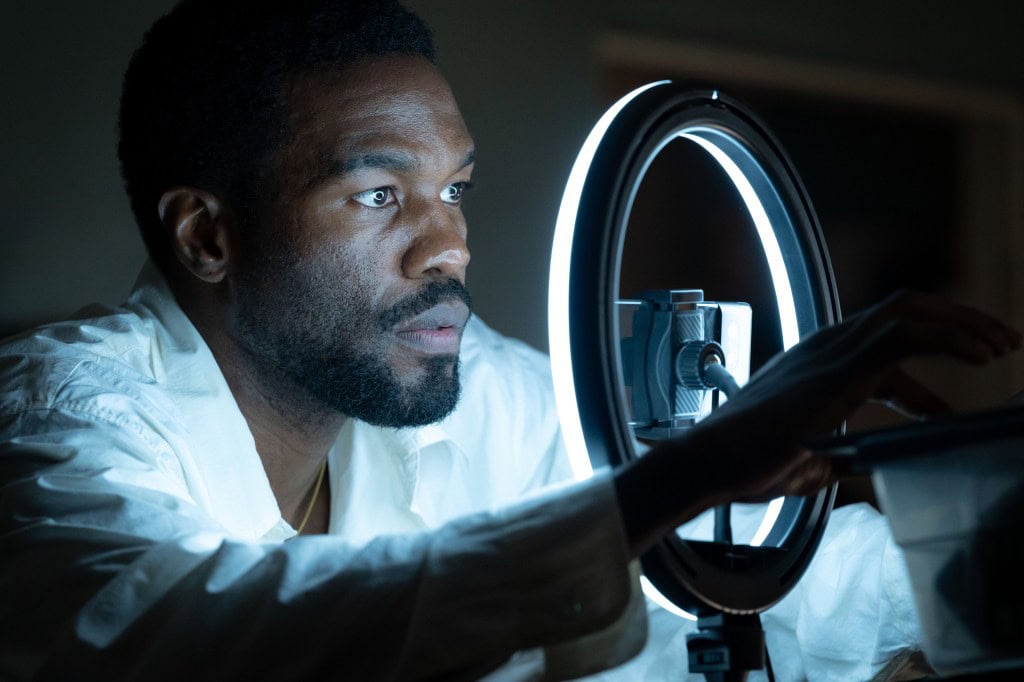
The first episode, “Matinee”, does an excellent job establishing who Simon is and why he matters. Watching him wildly overanalyze a one-off character he has been cast to play is both funny and revealing. He is undeniably talented, but his passion immediately puts him at odds with the studio’s sole objective: profitability. That contradiction becomes one of the show’s central themes, as Simon’s inability to compromise artistically mirrors his failure to see his romantic partner’s perspective outside of his own, causing her to leave. In a single episode, the series concisely communicates everything you need to know about Simon’s strengths, flaws, and emotional blind spots.
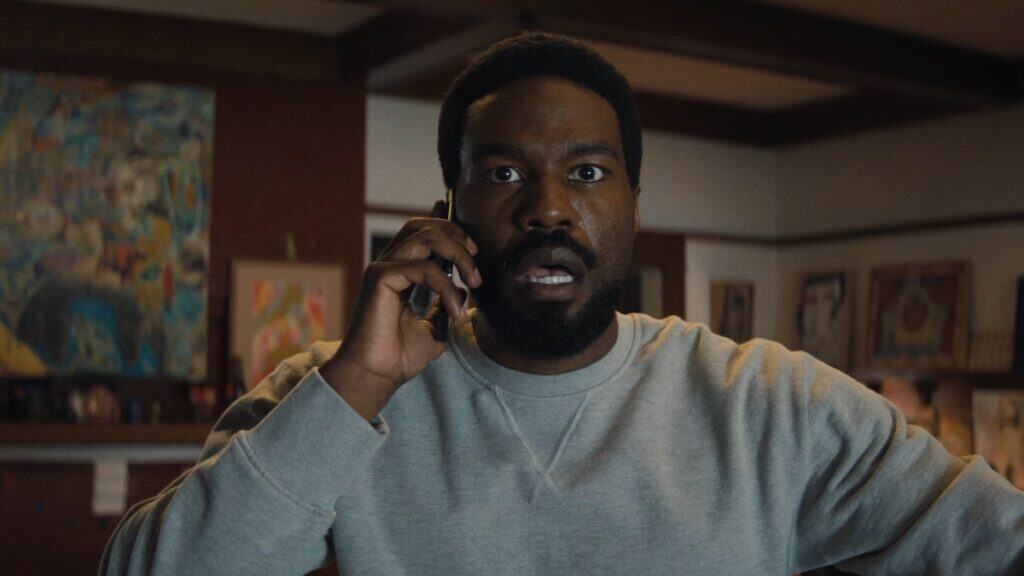
A large part of why Simon works so well is Yahya Abdul-Mateen II’s performance. He instantly makes the character likable, portraying Simon as a genuine lover of classic film who desperately wants his break and cares deeply about the craft of acting. His refusal to “just play the role on the page” and deliver what the studio wants creates a form of conflict that modern media rarely takes the time to explore. The audition sequence in the first episode feels especially authentic, serving as a reminder that Abdul-Mateen is an actor’s actor, grounding the show even when it flirts with larger MCU concepts.

Ben Kingsley’s return as Trevor Slattery is another standout. Rather than leaning into the broad caricature seen in Iron Man 3 and Shang-Chi, Trevor comes across as a sincere film lover who still provides comic relief, largely through how the world reacts to him. There is also a more conniving edge to his performance, paired with a tragic backstory that introduces themes of substance abuse. The relationship between Simon and Trevor is one of the show’s strongest elements. Both men are deeply in love with filmmaking and acting, but the secrets they keep from one another steadily turn that shared passion into a source of tragedy.
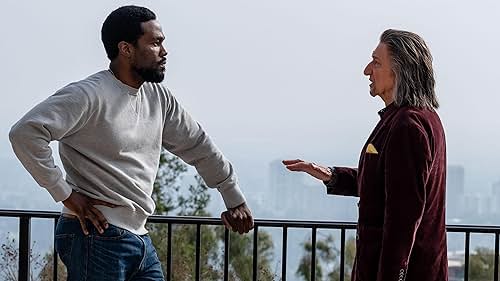
Zaltok Buri? returns to superhero media after his performance in 2025’s Superman to play Von Kovac, a celebrated director aiming to remake Wonder Man with the emotional weight of modern prestige cinema, further emphasizing the clash between art and commerce. The reveal that Simon is secretly superpowered acts as a ticking time bomb, introducing the theme of control as his abilities spiral whenever his life feels unmanageable. This dovetails with the show’s critique of government corruption, particularly Damage Control’s pursuit of Simon, motivated less by justice and more by looming budget cuts. Episode three’s “Pacioma” is a comedic high point, with Trevor’s futile attempts to learn about Simon’s past resulting in a string of hilariously unhelpful family encounters. Episode four, “Doorman” expands the scope further, exploring Hollywood’s history with superhumans through the tragic story of DeMarr, the superpowered “Doorman”, and the fictional franchise Cash Grab, serving as a sharp metacommentary on studios prioritizing endless repetition over genuine creativity.
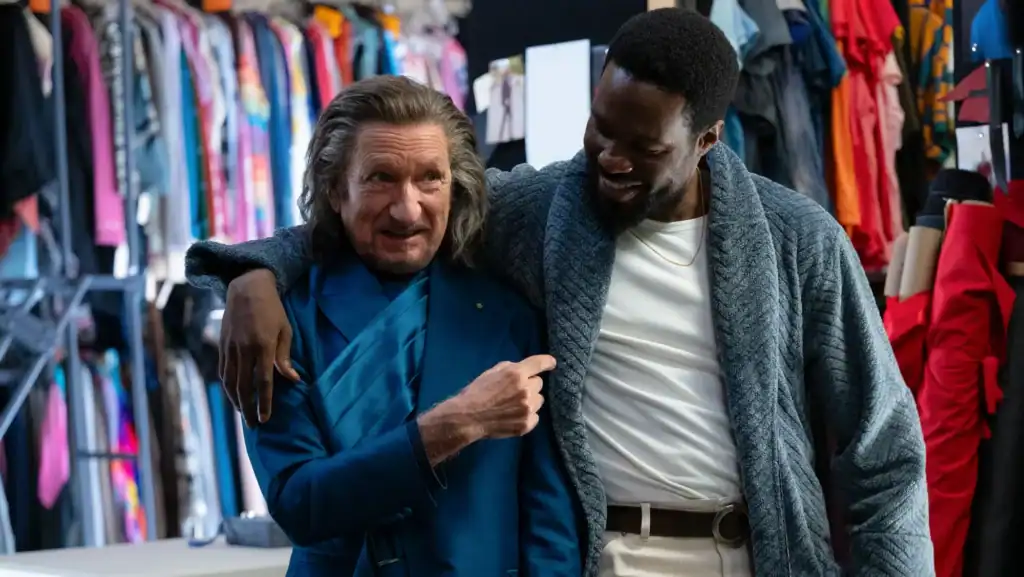
Despite occasionally brushing up against familiar MCU trappings, Wonder Man largely succeeds in feeling like something distinct. Its use of foreshadowing, particularly in how Simon and Trevor’s friendship parallels the doomed relationship between the characters they seek to portray, adds an extra layer of narrative elegance. More than anything, the series proves that Marvel can still experiment within its shared universe, delivering a project that feels personal, funny, and thematically different. Wonder Man stands as a genuine breath of fresh air, showing that individuality and franchise storytelling do not have to be mutually exclusive.
Final Thoughts
Wonder Man excels in telling a unique story about its central character, utilizing the world of the MCU in a very thoughtful way.
Anthony’s Watch: Wonder Man
- Writing - 9.5/109.5/10
- Storyline - 9/109/10
- Acting - 10/1010/10
- Music - 9/109/10
- Production - 10/1010/10







In “Anthony’s Watch” from the Disney+ series Wonder Man, the story centers on Anthony, a longtime friend of Simon Williams whose life quietly reflects the emotional core of the show. As Simon steps into the spotlight of fame and super-powered chaos, Anthony’s simple gift—a watch—becomes a powerful symbol of time, loyalty, and the life Simon left behind.