Beast of Boriken #2

Logan Mullins
Recap
Years after Hurricane Maria ravaged the island of Puerto Rico, an American company attempts to build a new resort on the island. The corporation is opposed by Loli, a Puerto Rican activist. During the groundbreaking ceremony, a worker is killed by El Chupacabra, a monster awakened by the construction.
Review
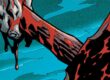
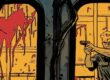
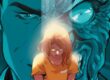
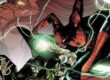
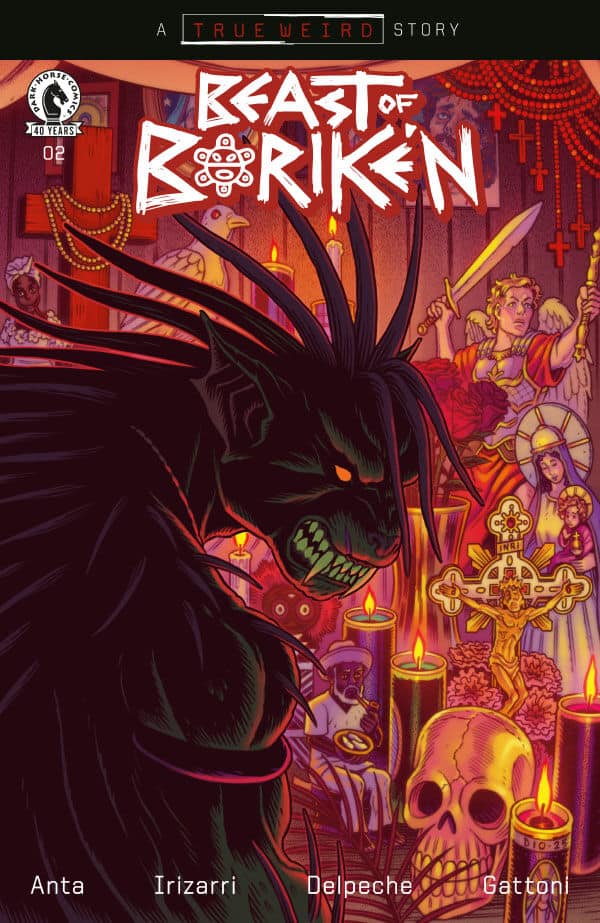
As with the previous issue, the artwork by Daniel Irazarri and the colors by Patricio Delpeche are absolutely stunning. Irazarri’s distinctive style makes Beast of Borikén look unlike anything else on the comic stands. A lot of space is filled with lines and dots, giving the panels a very delicate appearance. Characters will often bleed out of one panel and into another, giving the appearance of fluid motion.
The storyline itself continues to pay a deep respect to Puerto Rican history and culture. Issue #1 spent a lot of time connecting itself to modern Puerto Rican culture; issue #2 connects to the indigenous culture of the island. The comic dives into the history of the Chupacabra, tying the entity to Puerto Rican spiritual beliefs. Julio Anta is very clearly setting up the Chupacabra as a metaphor, symbolizing a culture’s resentment to oppression, rather than simply a monster that ravages the island. In service of that metaphor, the comic spends little time with the titular Beast of Borikén itself, instead revealing its nature through dialogue. In this instance, it is better to tell and not show, at least for now.
Structurally, the comic follows two key characters: Loli and Mr. Hunt. Both are set on similar tasks, investigating the Chupacabra and trying to gain a greater understanding of the monster. However, the contrast in method echos the dynamic between an oppressed society and its oppressors. Loli, the Puerto Rican activist, wants to gain a better understanding of the Chupacabra, peacefully seeking answers about the nature of the beast. Mr. Hunt, the American businessman who desires construction of a new resort, wants to kill the Chupacabra for disrupting his operations. That contrast turns a monster hunt into a fight over who gets to define the island’s story.
Final Thoughts
Issue #2 slows its pace and sharpens its purpose. Anta trades the introductory scope of issue #1 for a tighter thematic focus, using the Chupacabra as a metaphor for modern colonialism.
Beast of Boriken #2: A Metaphor, Not a Monster
- Writing - 9/109/10
- Storyline - 9/109/10
- Art - 8/108/10
- Color - 8/108/10
- Cover Art - 7/107/10