


Phantom of the Opera #1

Recap
The vengeful masked figure known only as the Phantom stalks the Palais Garnier opera house.
More Skybound/Image coverage from Comic Watch:
Review
This week begins the newest four-part miniseries in Skybound’s Universal Monsters collaboration. Previous entries have offered new spins on Frankenstein, Dracula, and others, with this newest entry shining a spotlight on the Phantom of the Opera. The Phantom needs no introduction, Gaston Leroux’s original 1910 novel having undergone numerous adaptations including Andrew Lloyd Webber’s blockbuster 1986 musical, the musical’s 2005 film adaptation, and Universal’s 1925 and 1943 films. The basic tale, for the unfamiliar, follows Christine Daaé, an understudy at the Palais Garnier opera house, as she becomes the Phantom of the Opera’s protegé and finds herself caught in a love triangle between the Phantom and Raoul, Vicomte de Chagny.

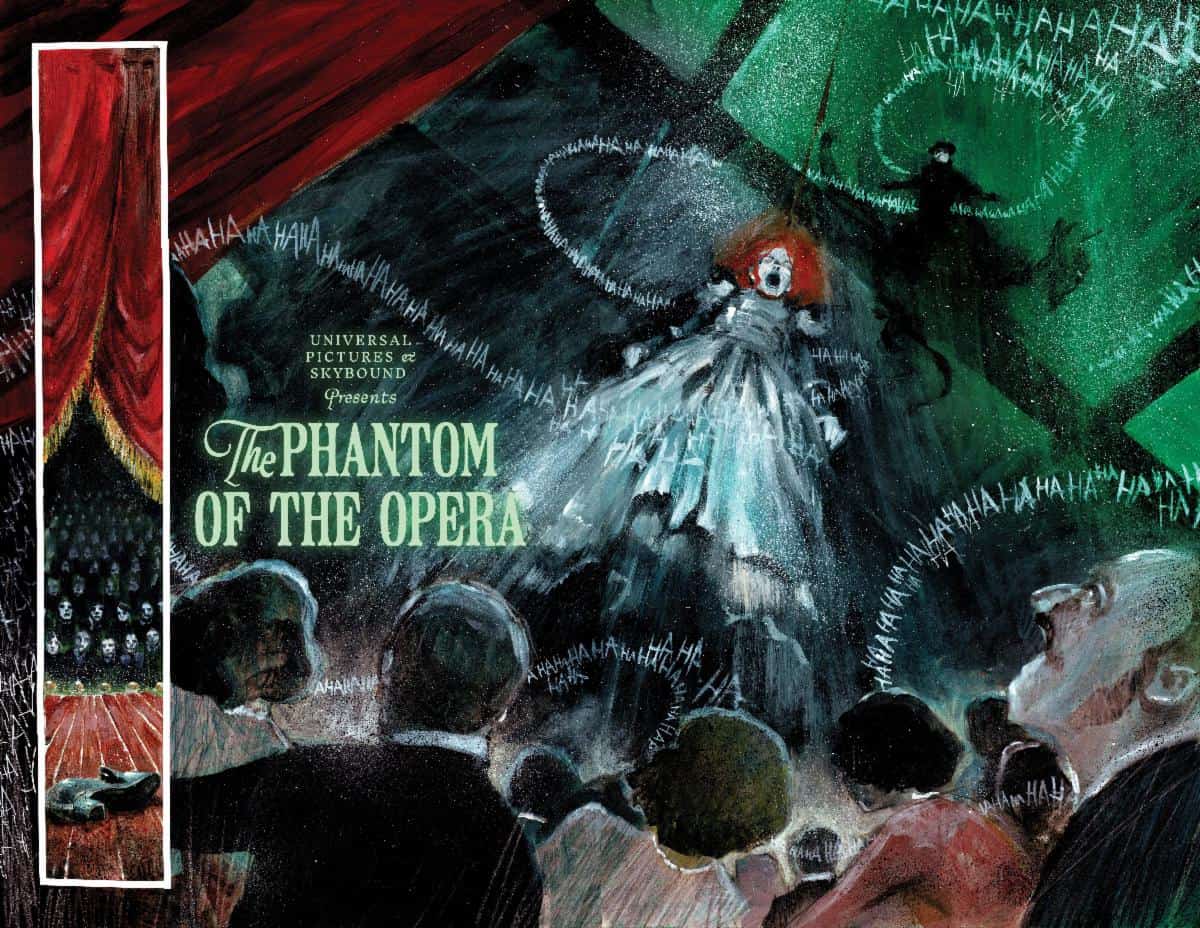
This newest interpretation, written by Tyler Boss, most closely resembles the lesser-known 1943 film, including some of that film’s weirder quirks. The comic, like the ‘43 film, splits Raoul into two people—a batitone named Anatole Garron and a police inspector named Raoul Dubert—inflating the book’s love triangle to an even messier love quadrangle. Boss’ script also makes some swift departures from previous adaptations, most notably in hanging the opera’s prima donna during a performance, rather than hanging a stage hand and much later strangling the prima donna off-screen or, in every version other than 1943 film, simply spooking her into leaving. These changes are certainly interesting, and for some readers will no doubt breathe new life into a familiar story. However, it’s unclear thus far if these changes offer anything beyond change-for-change’s-sake.
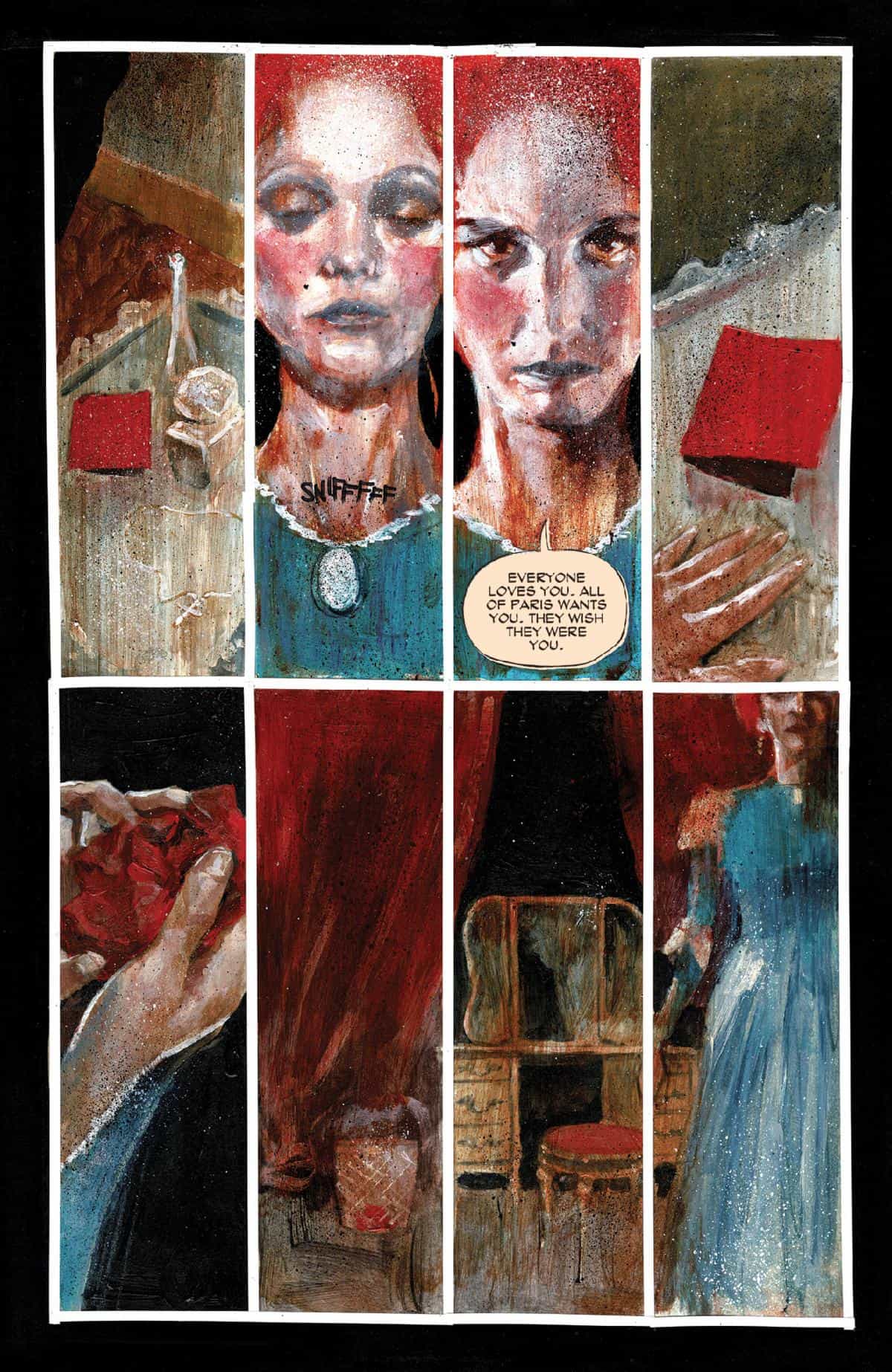
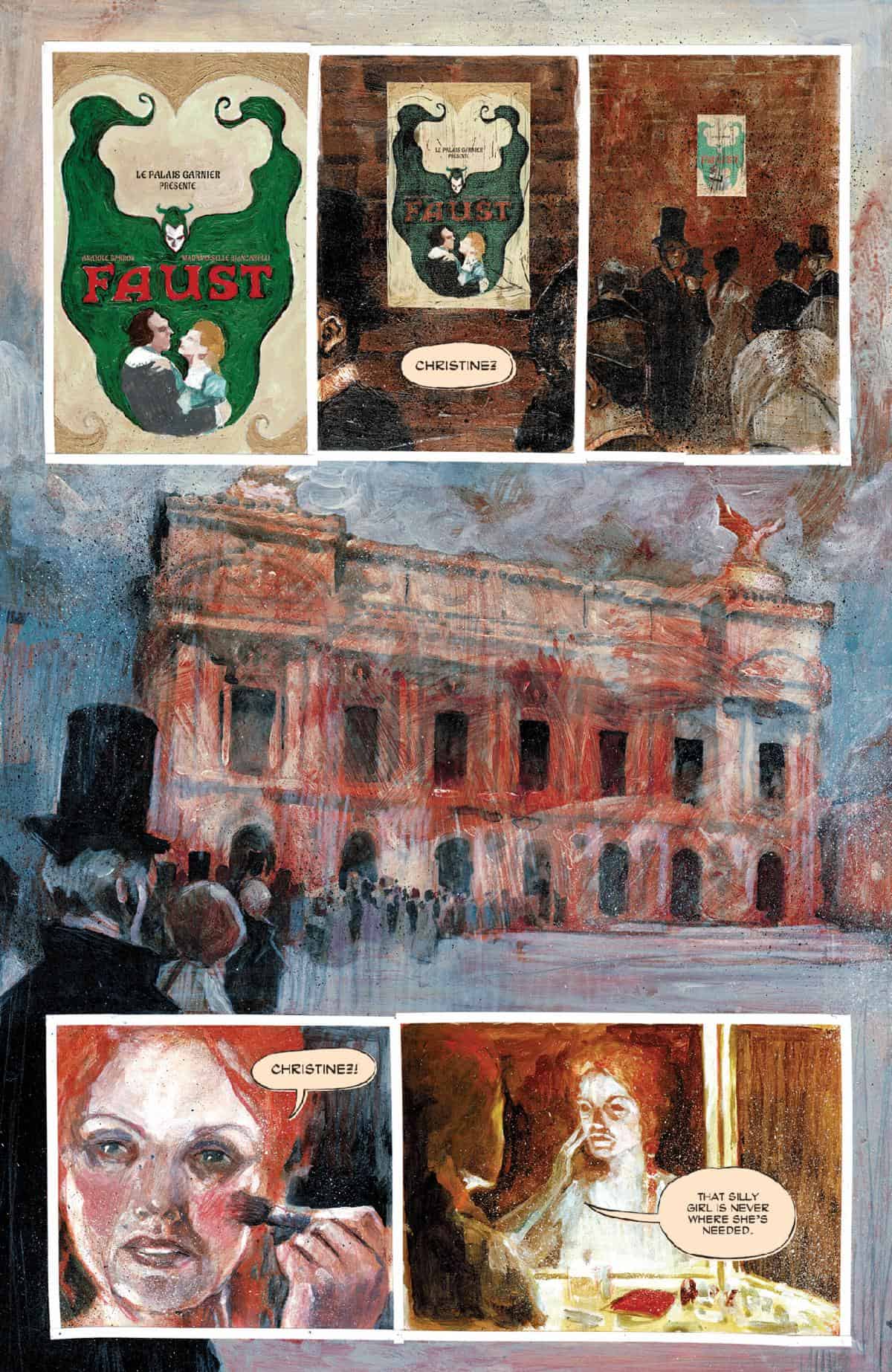
The Gothic genre is the domain of heightened emotion. Boss’ approach collapses Phantom’s events into more extreme and visible versions of themselves to heighten things even further. However, making everything extreme at all times has ultimately led to a book with a narrow emotional range. This struggle is even more true of Martin Simmonds’ gorgeously grim and atmospheric artwork, which makes the comic’s calmest scenes look incredibly intense. For example, a brief scene of people on the street outside of the opera is awash in bloody reds and lead white. The subsequent scene of the prima donna’s corpse swinging above the stage feels horrifying but not as horrifying as it might have been had the street outside seemed perfectly normal or even swooningly romantic. There is no normal in Phantom of the Opera #1, no creeping dread: only abject terror. And because everything is so horrifying, nothing makes as great an impact.
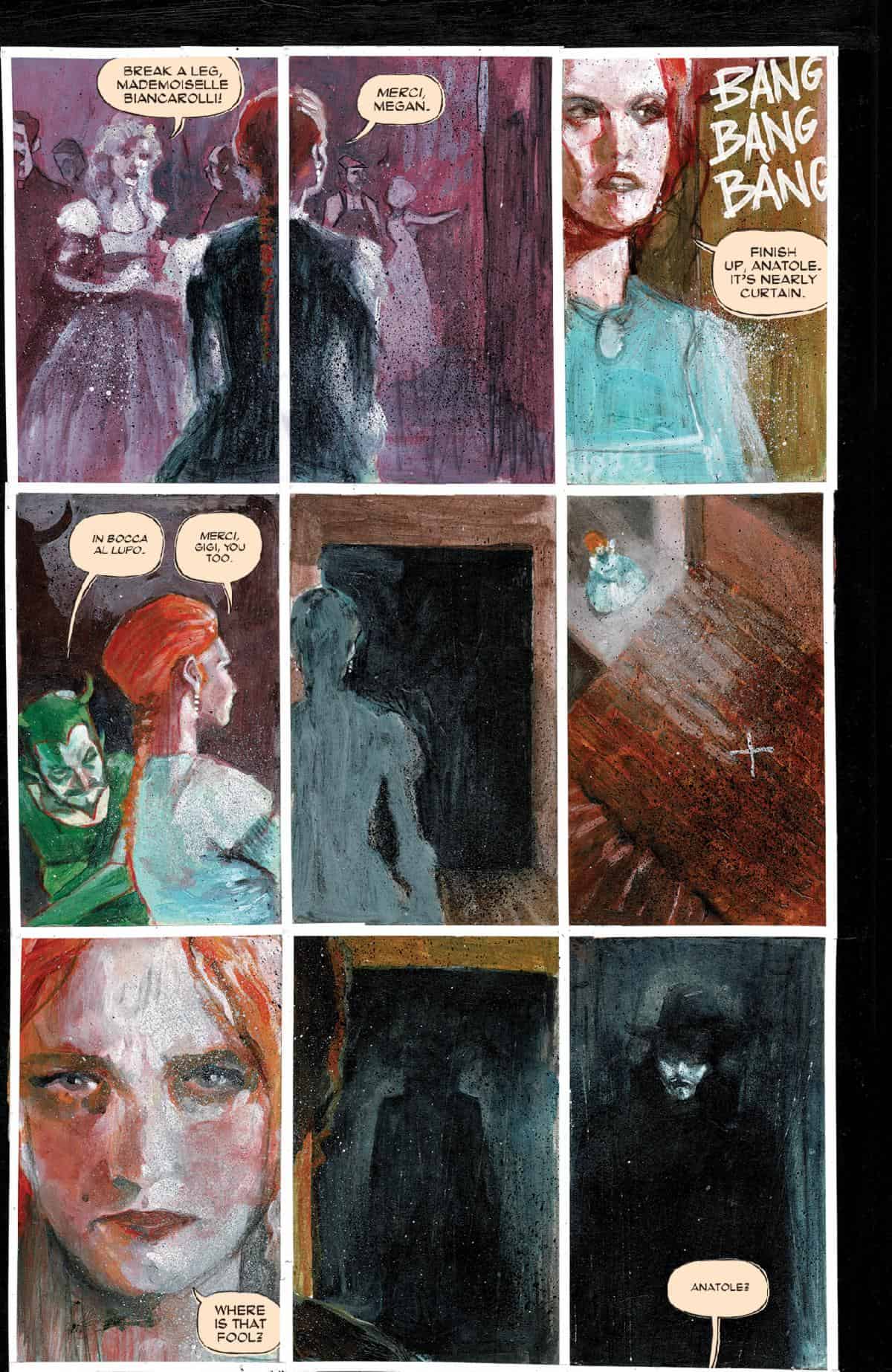
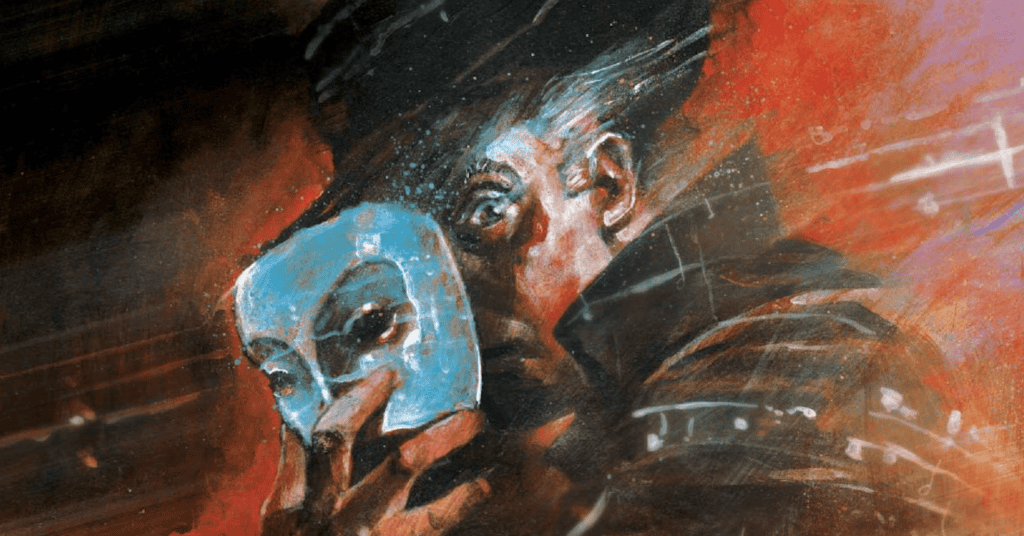
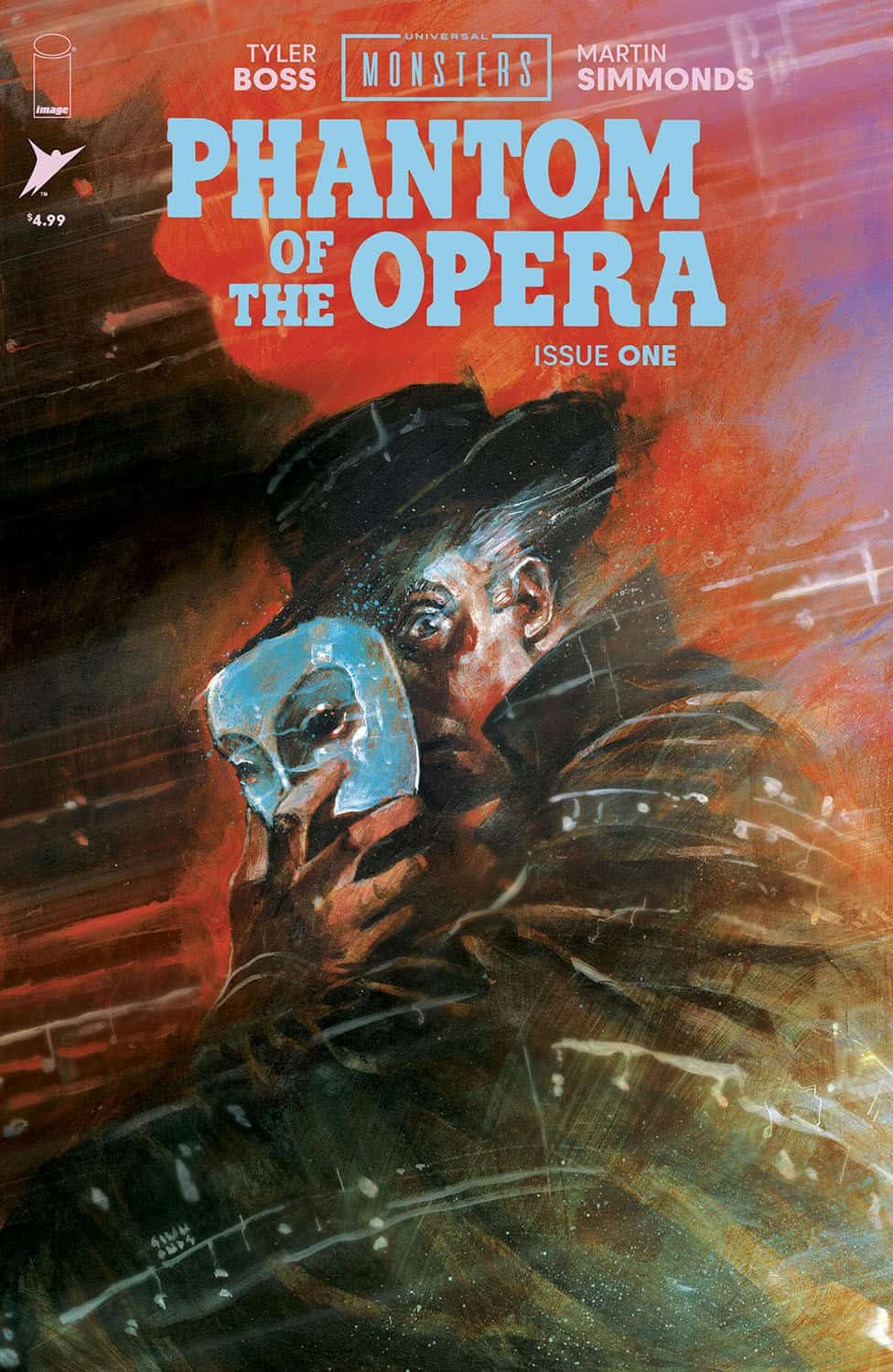
Simmonds at his best, however, evokes the Belle Époque feverdream of Henri Toulouse-Lautrec’s Au Moulin Rouge. Some readers will recognise Simmonds’ work from Skybound’s Universal Monsters: Dracula. His interpretation of the Phantom, who often seems like an extension of the opera house shadows save his white mask, is instantly memorable. Simmonds creates several masterful compositions throughout and has a unique approach to conveying sound, including passages of both monochrome and bright neons. In this regard, the series far and away outstrips Titan’s 2021 comic adaptation of the musical, which relied heavily on quoting lyrics.

Final Thoughts
The Phantom of the Opera #1 offers a bold and haunting new interpretation of a legendary Gothic figure. Simmonds’ artwork is gorgeously grim, but perplexing adaptational choices and a one-note approach to horror keep the comic from being pitch-perfect.
Phantom of the Opera #1: Is Here — Inside Your LCS!
- Writing - 8/108/10
- Storyline - 7/107/10
- Art - 8/108/10
- Color - 7/107/10
- Cover Art - 8/108/10