


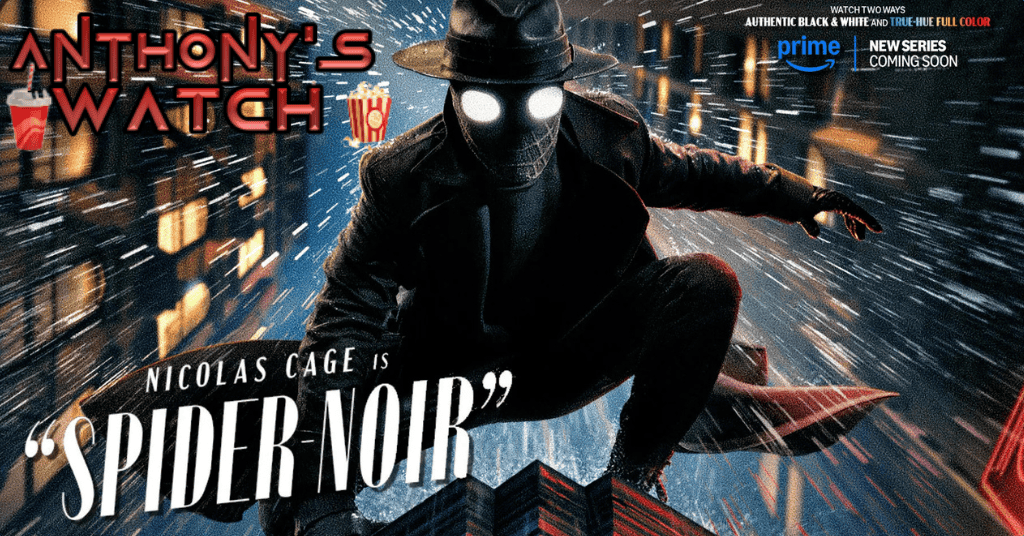
Spider- Noir

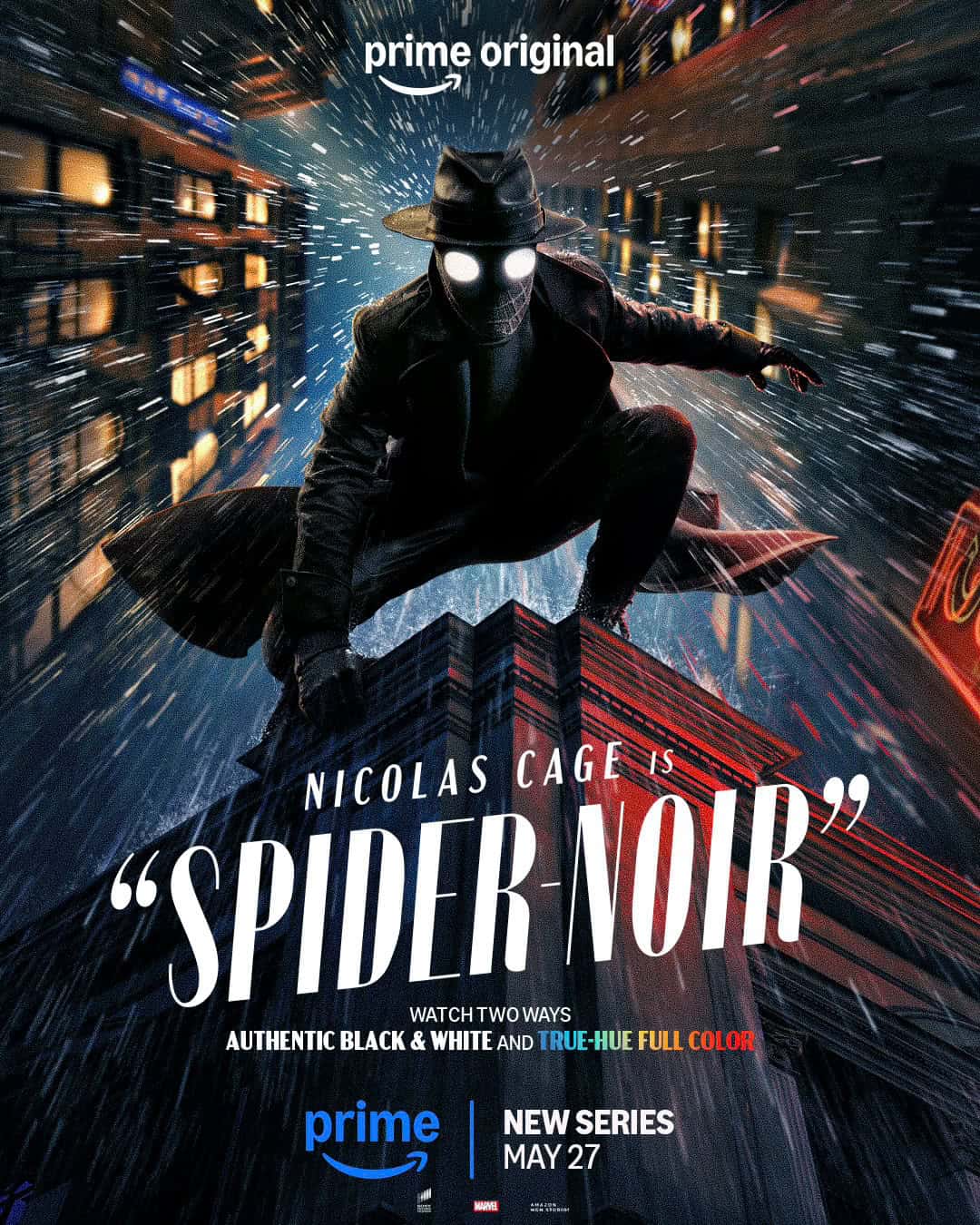
Recap
Ben Reilly, an aging, down on his luck private investigator, grapples with his past life as the only superhero in 1930s New York City, the Spider. When an exceptional case comes his way, Ben must become the Spider once more.
Review
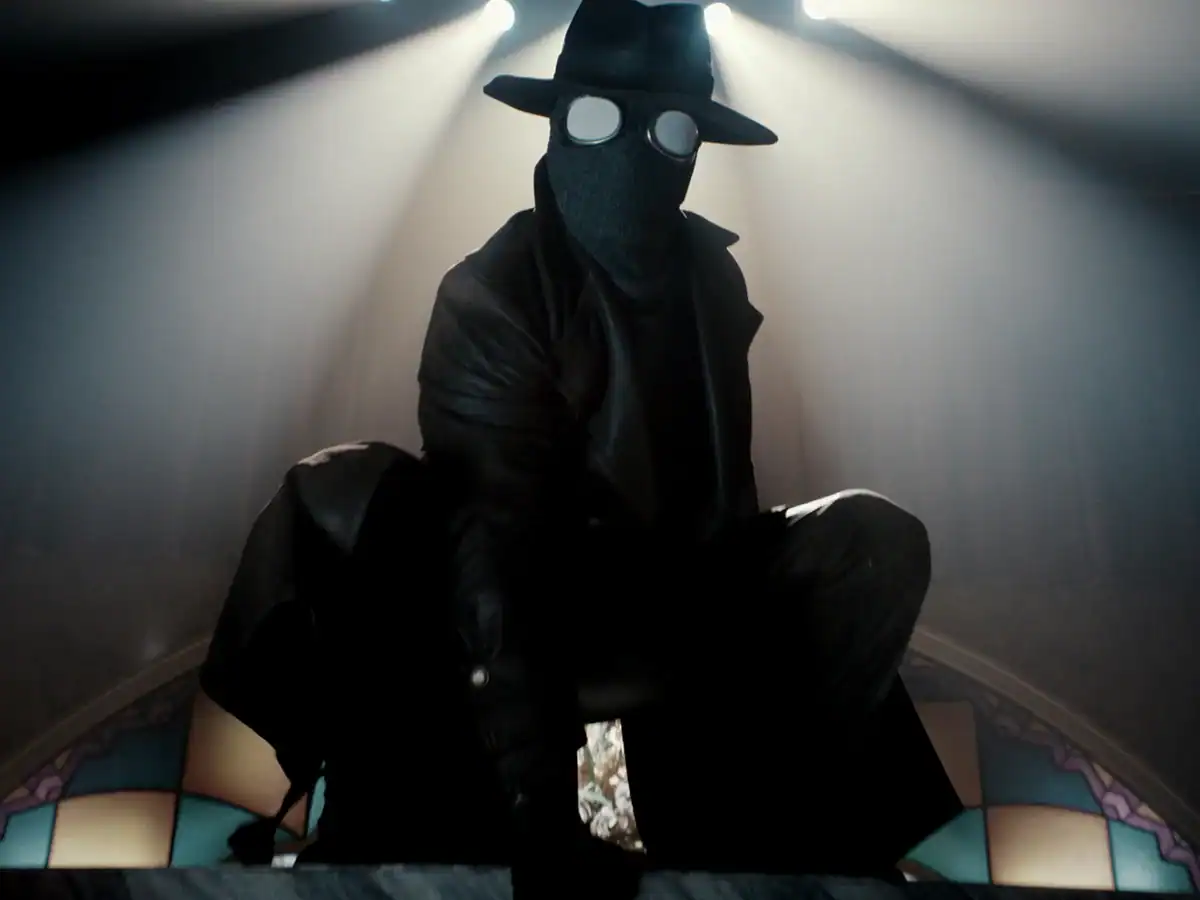
Spider-Noir is a 1930s period piece loosely based on the Marvel Comics Spider-Man Noir series, which presented a film noir-inspired take on the classic Peter Parker/Spider-Man story. The show makes several major changes to that original concept, most notably by making the lead character Ben Reilly, who is more commonly known in the comics as Peter’s clone. The series also ages him up and removes many of the comic’s references to mainstream continuity. Instead, the show streamlines the concept into a self-contained story centered around Reilly, an aging private investigator who stopped being “The Spider” five years earlier after the death of his fiancée. What follows is a mixture of classic film noir motifs and modern superhero storytelling. Overall, for fans of Spider-Man, film noir, or simply Nicolas Cage’s more theatrical performances, Spider-Noir succeeds on almost every front.

It is difficult to imagine what this show would look like without Nicolas Cage in the lead role. Cage is an interesting actor for a variety of reasons, especially for those who grew up during the late 1990s and early 2000s, when Hollywood often positioned him as a default action hero and leading man with mixed results. Whether you are a supporter or a detractor, there is no denying that Cage has left a major mark on cinema and cultivated a passionate cult following. He also has a long history with comic books and superhero media. Cage was famously cast as Superman in the canceled Superman Lives film, portrayed Johnny Blaze in two Ghost Rider movies, voiced a version of Spider-Man Noir in the animated Spider-Verse films, and is an avid comic book collector and reader. Needless to say, hearing that Cage had been cast as a live-action version of Spider-Man was both shocking and exciting.
But how does all of that translate into this role? After only a couple of episodes, it becomes very clear why Cage accepted the project in the first place. Not only does he get to live out the fantasy of playing a version of Spider-Man, but he also has the opportunity to dive into intense character acting that captures the essence of classic film noir performances. Minor spoilers ahead, but roughly halfway through the series, it becomes a plot point that Cage’s Ben Reilly studied old films and consciously modeled his behavior after actors from that era. This developed after the incident that gave him his powers also altered his base personality, making him more “spider-like.” Anyone familiar with Cage’s career will immediately recognize how perfectly this concept fits his acting style. In many ways, it feels as though the role was tailor-made for him long before the series even entered production.
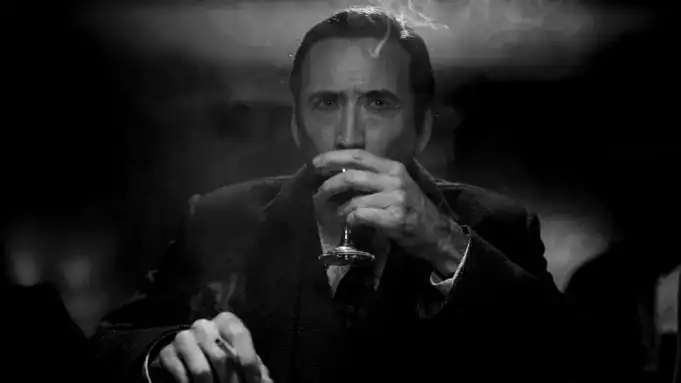

The show’s interpretation of Ben Reilly also contains a surprising amount of nuance, helping the character stand out among the many different versions of Spider-Man seen across comics, film, and television. Reilly’s origin is revealed almost immediately through a monologue, initially setting up what feels like an overly familiar trope involving a broken hero returning after losing everything. However, the series takes that setup in a more interesting direction by framing Reilly’s return as “The Spider” through the lens of classic noir storytelling rather than standard superhero conventions.
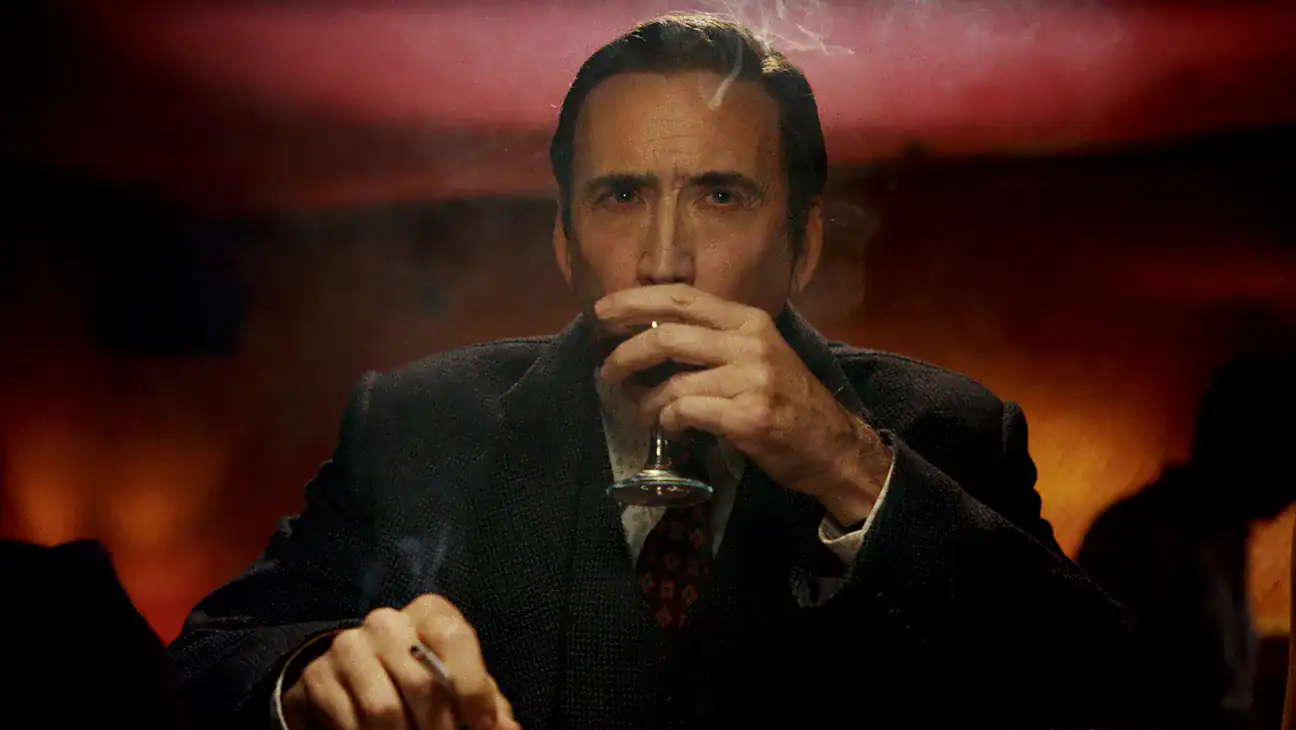

In many ways, Reilly is reluctant to use his powers after failing to save his fiancée from drowning, yet he still uses them whenever it benefits him personally. Early in the series, he tells Cat that he is a coward, which directly contrasts with his reputation as a famous superhero. At the same time, the show presents him as genuinely self-aware and emotionally damaged. Even when he decides to wear the costume again, his motivations seem rooted more in personal desire than in any sense of heroic responsibility. The classic mantra, “With great power there must also come great responsibility,” is still present in this version of the story, but it comes from his deceased fiancée rather than Uncle Ben. All of these elements combine to create a deeply flawed yet relatable protagonist who is endlessly entertaining to watch across all of Cage’s eccentric glory.
As much praise as Cage deserves, the supporting cast also does an excellent job elevating the material. The characters who spend the most time alongside Ben Reilly are Lamorne Morris’s Robbie Robertson, Li Jun Li’s Cat Hardy, and Karen Rodriguez’s Janet Ruiz. Although Robbie Robertson has appeared in previous Spider-Man media, this feels like the first adaptation where the character is given genuine agency and becomes essential to the story. Morris captures the spirit of the comic book version perfectly as a journalist dedicated to uncovering the truth at all costs, while also convincingly portraying a reporter living in the 1930s.
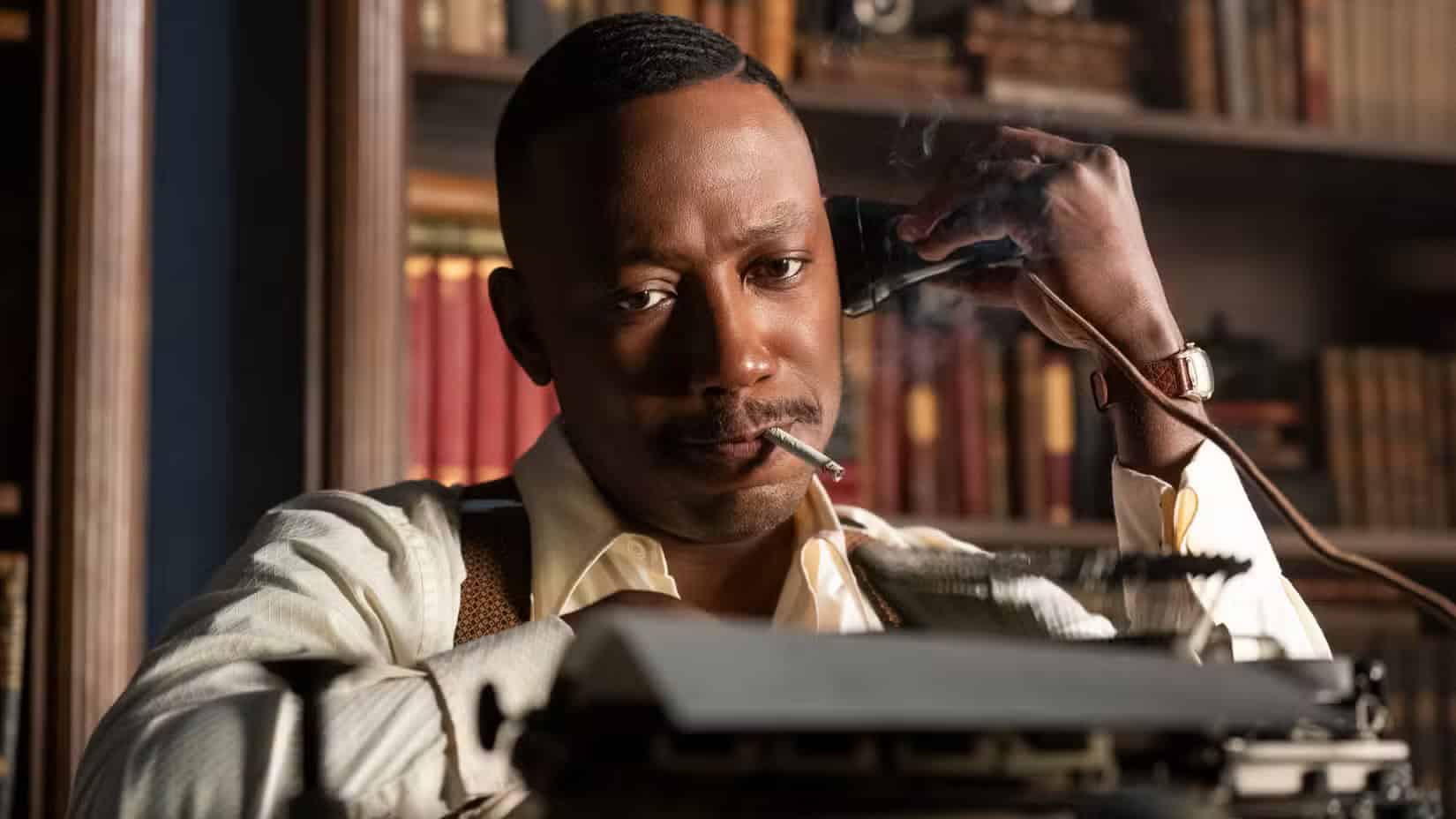

The show briefly touches on the racial struggles African Americans faced during that period, including references to segregation within World War I military units, but those ideas remain largely surface level. It would have been interesting to see the series explore those themes in greater depth, as doing so could have added even more complexity to Robbie’s character. Still, Morris delivers an excellent performance with the material he is given.
Cat Hardy is another character surrounded by uncertainty going into the series. Comic fans will immediately recognize her as a variation of Felicia Hardy, also known as Black Cat. Here, she is portrayed primarily as a classic femme fatale rather than a costumed antihero or villain. One of the most fascinating aspects of modern filmmakers attempting a noir-inspired story is seeing how they handle the femme fatale archetype, especially because those roles were often rooted in sexist stereotypes. Spider-Noir occasionally leans into those familiar tropes, but it ultimately subverts them by giving Cat far more agency and intelligence than expected. In many ways, this actually reflects the spirit of Felicia Hardy from the comics, where she is frequently portrayed as someone who rejects the limitations traditionally placed upon women.
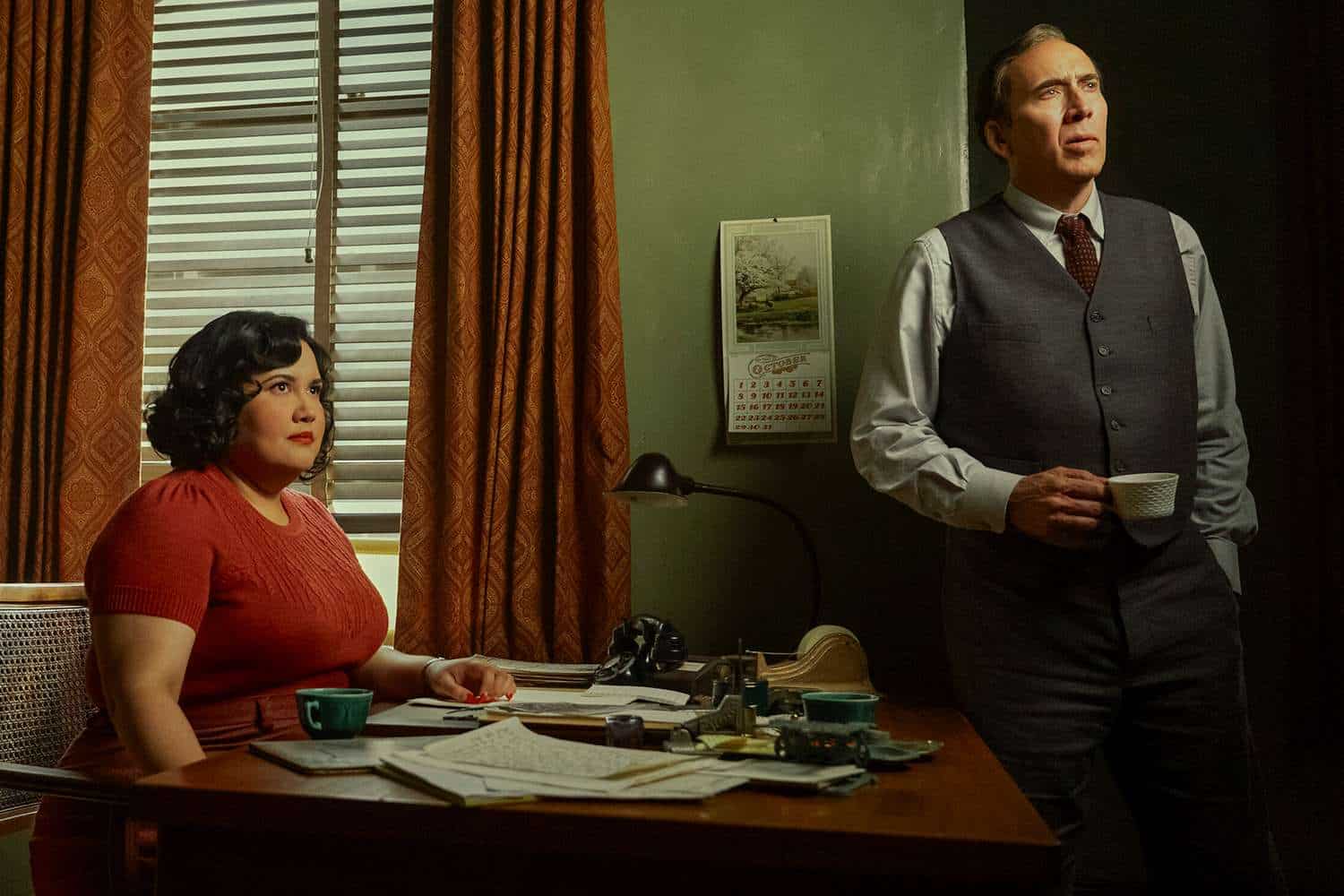

Continuing this trend of strong female characters is Janet Ruiz, Reilly’s secretary. At first glance, Janet appears to fit another common stereotype associated with the era. However, as the story progresses, it becomes clear that she is far more important to Reilly’s detective business than he is willing to admit. Although she is not the central character, she often serves as the emotional anchor of the series and stands out as one of the strongest foils to Cage’s eccentric performance.
The primary antagonist of the series is the crime boss Silvermane, played by veteran actor Brendan Gleeson. Silvermane operates as one of New York City’s most powerful criminals, profiting heavily from the illegal alcohol trade during Prohibition. Throughout the series, he aligns himself with several superpowered villains, including Abraham Popoola’s Lonnie Lincoln/Tombstone, Jack Huston’s Flint Marko/Sandman, and Andrew Lewis Caldwell’s Dirk Leyden/Megawatt.
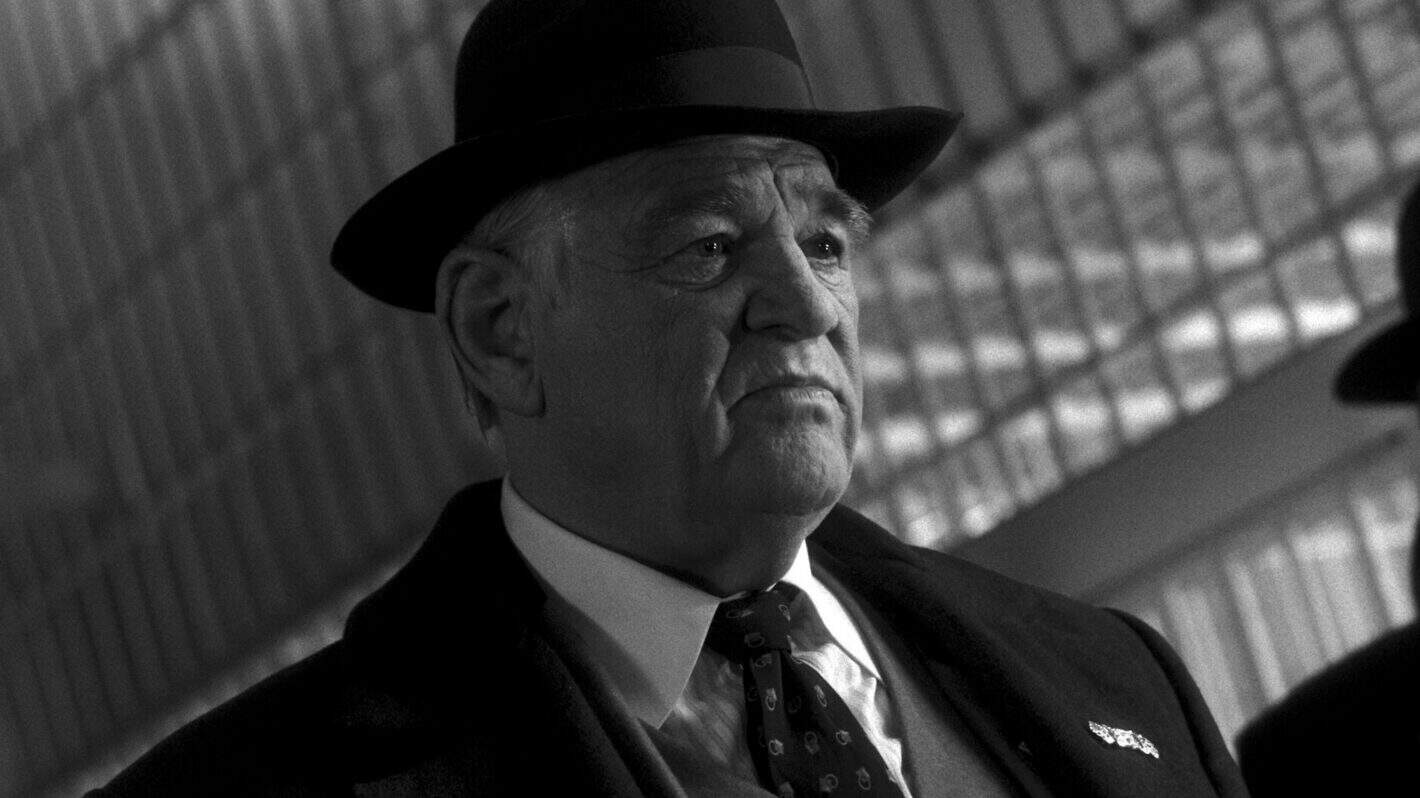

As villains go, Silvermane often feels inspired by Marvel’s Kingpin. However, unlike Kingpin, who frequently hides behind a public image of legitimacy, Silvermane openly embraces his criminal empire. What makes him compelling is not simply his power, but the way his influence extends into nearly every corner of the city, including Ben Reilly’s own world. He becomes dangerous because he manipulates systems and people rather than relying solely on brute force.
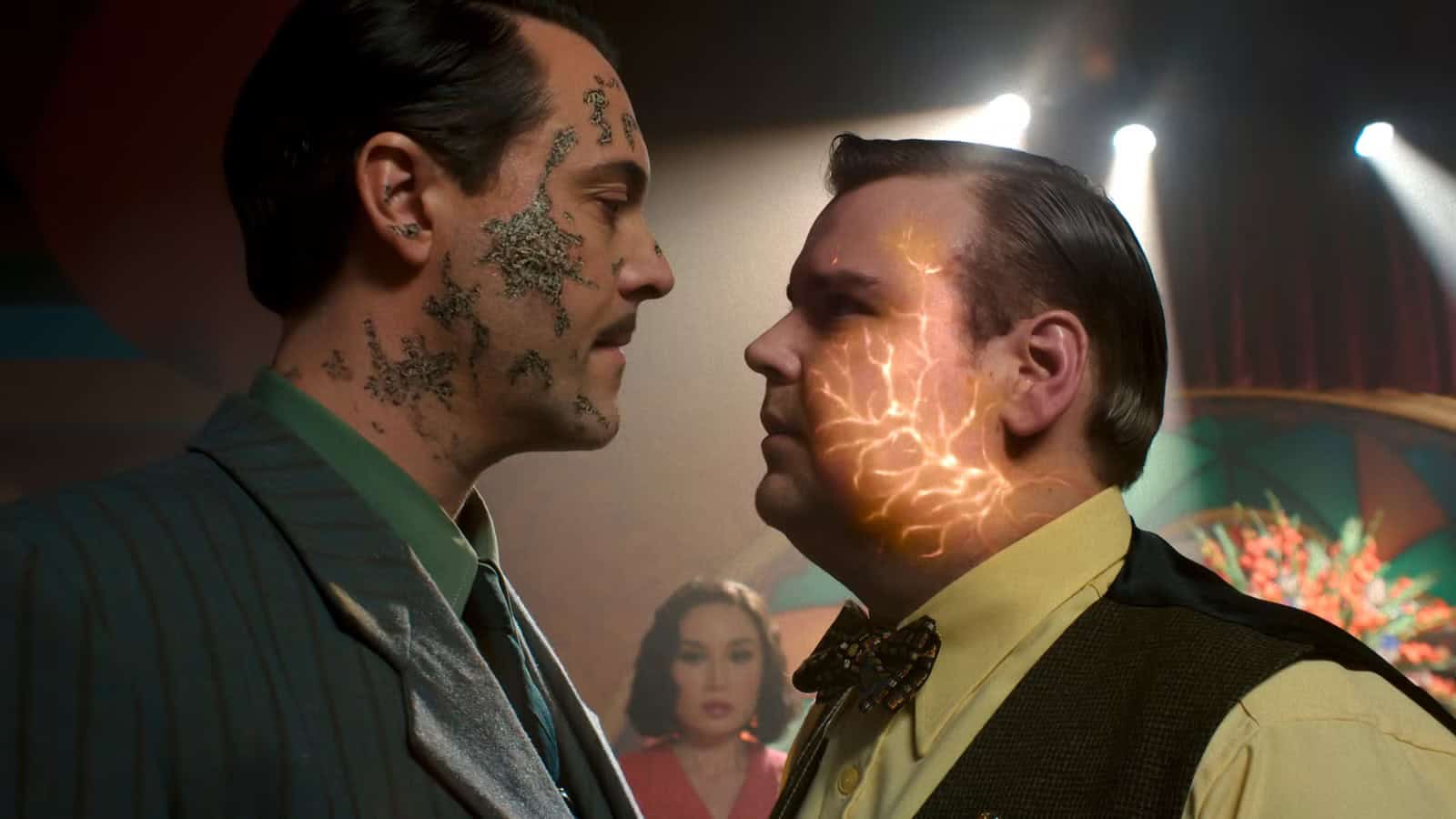

The superpowered villains are all tied to a larger conspiracy being investigated by Robbie Robertson. Initially, those plot threads feel somewhat disconnected from Silvermane’s story, but the series does a strong job of gradually bringing everything together around the halfway point before building toward a satisfying conclusion.
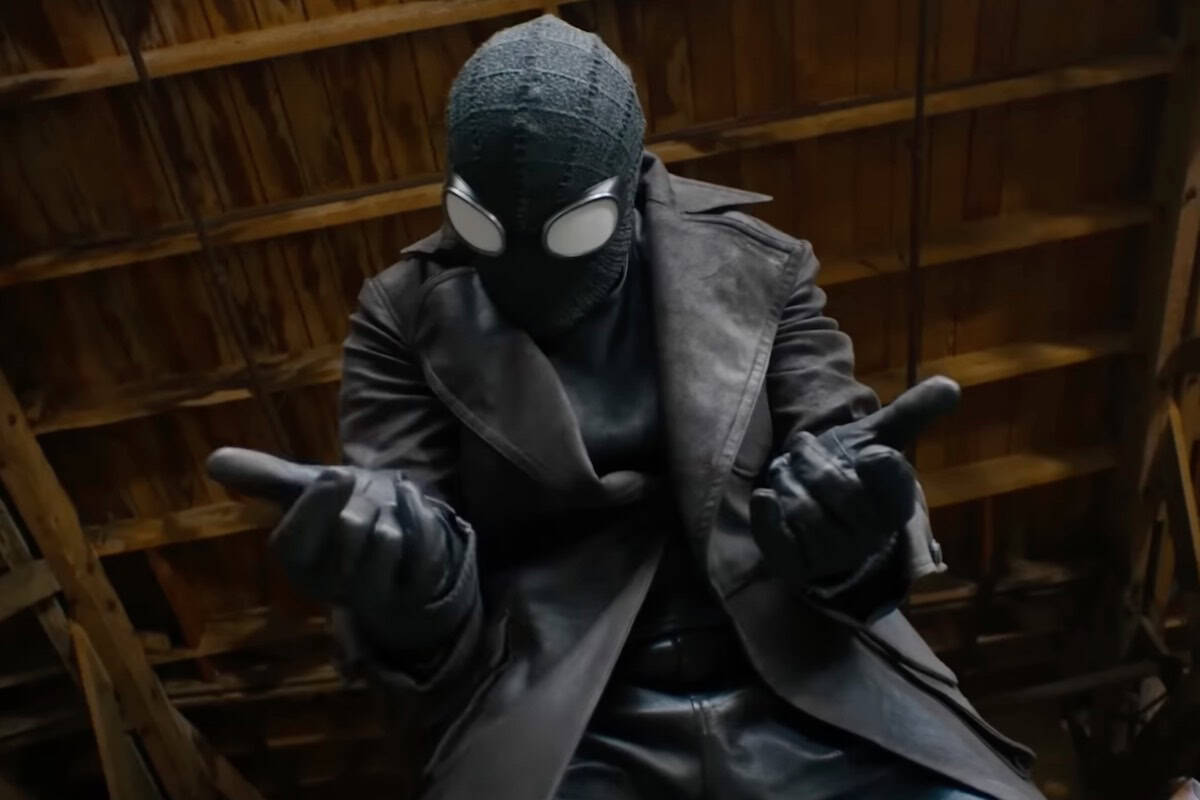

As with many modern superhero television series, questions about special effects inevitably arise due to the budget differences between television and film. While Spider-Noir clearly does not have the resources of a major blockbuster movie, the visual effects are surprisingly effective overall. The experience also changes dramatically depending on whether you watch the series in black and white or in full color.
In color, it occasionally becomes obvious that certain scenes were filmed against green screens rather than on location. However, the black-and-white presentation transforms many of those same sequences into something that feels intentionally stylized, almost like the painted backdrops and artificial environments used in classic Hollywood films. In some ways, it feels as though many of the visual effects were designed specifically with the black-and-white version in mind, making the color presentation feel slightly awkward at times.
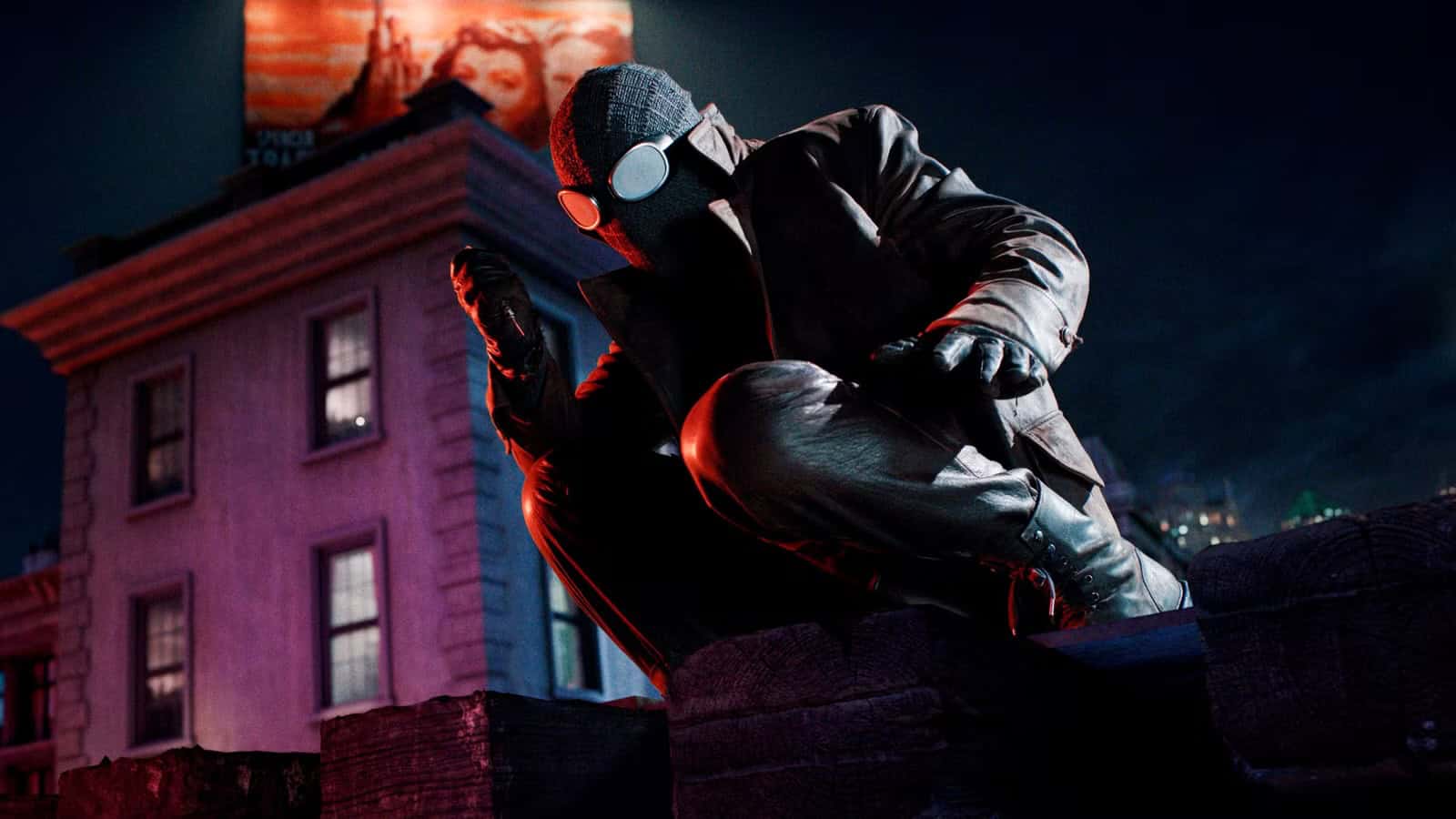
Ironically, the opposite can be said for some of the superpowered action scenes. A standout example appears in the fourth episode, “A Mistake I’ll Never Make Again,” when The Spider battles Megawatt. The use of electricity and bright visual effects gives the fight far more impact when viewed in color. Because of this, audience opinions on the show’s visual presentation may vary significantly depending on which format they choose to watch. Thankfully, Amazon Prime Video allows viewers to switch seamlessly between the two versions, making it easy to experience scenes in whichever style feels most effective.
Ultimately, none of these elements would matter if the series lacked an engaging story. Anyone expecting a straightforward modern superhero narrative may still find traces of that approach, but Spider-Noir is far more committed to being a genuine noir story than a conventional superhero project. Yes, it features familiar Spider-Man characters and larger-than-life action, but at its core, the series is built around the traditions of classic noir storytelling.
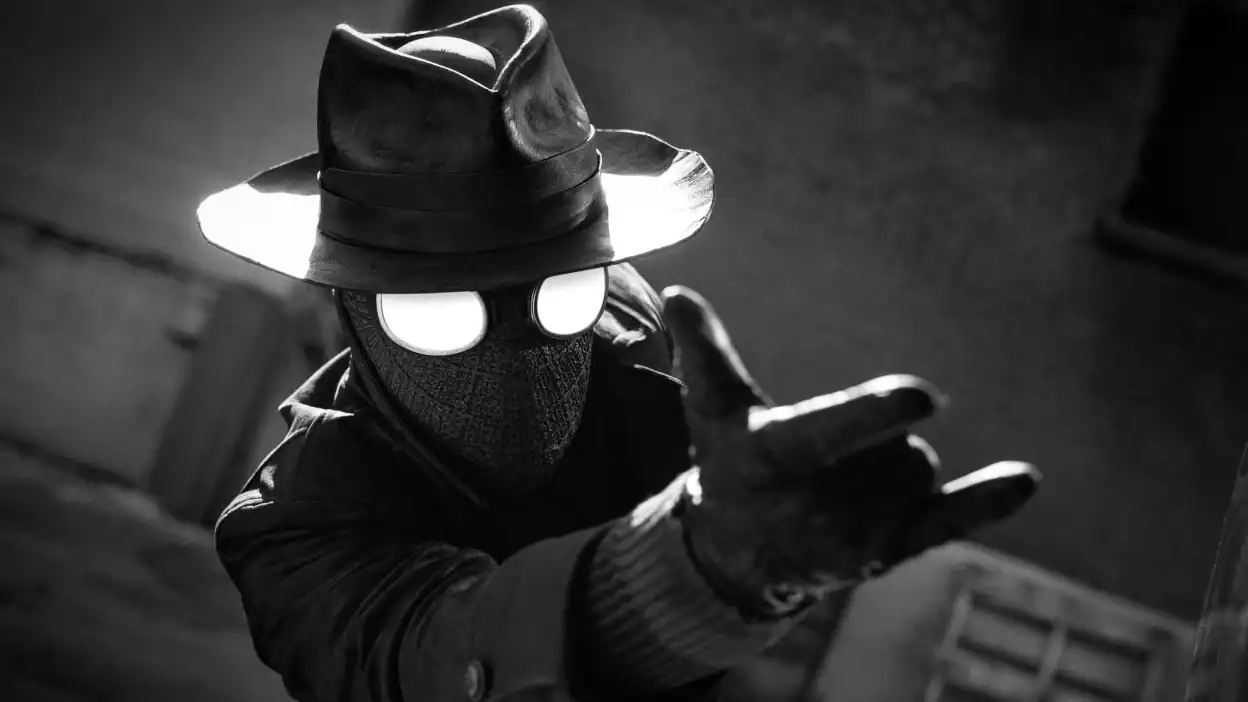

From its use of familiar tropes to its commitment to morally complicated twists, the show aims to tell an eight-part story that feels reminiscent of the tightly constructed noir films of the 1940s and 1950s. Despite its length, the series never feels bloated or dragged out. In fact, each episode manages to function as a largely self-contained story while still contributing to the larger narrative. Rather than resembling one long movie divided into chapters, the series feels more like a collection of interconnected noir films.
One early plot point involving Reilly’s detective skills culminates in a twist that may be somewhat predictable, yet still captures the spirit of classic noir better than many modern projects would dare attempt. Whether viewers approach Spider-Noir as a superhero series or a noir drama, there is little doubt that it serves as an excellent representation of what film noir stands for. Ideally, it will also inspire audiences unfamiliar with the genre to seek out some of the classic films that influenced it.
Final Thoughts
Spider-Noir transforms Spider-Man into a stylish and surprisingly emotional noir detective story, with Nicolas Cage delivering a performance that feels like the role was made specifically for him.
Spider- Noir: It’s a Spider, See!?!
- Writing - 9/109/10
- Storyline - 8.5/108.5/10
- Acting - 9.5/109.5/10
- Music - 9.5/109.5/10
- Production - 8.5/108.5/10